The Care of Clothes: A Guide to the Well-Kept Wardrobe
AI generated
A well-kept wardrobe has a quiet distinction that has little to do with owning a great many clothes or replacing them with every season. It comes from the way each garment is treated after it has been worn and before it is put away again. Brushing a wool coat, folding knitwear carefully and allowing a freshly washed shirt to dry properly may seem unremarkable, yet habits of this kind help clothing retain its shape, texture and appearance.
Wardrobe care does not need to become an elaborate ritual or involve a cupboard full of specialist products. A few well-chosen tools, used regularly and for the purpose for which they were intended, are often enough to keep clothes looking beautiful for much longer.
The Clothes Brush
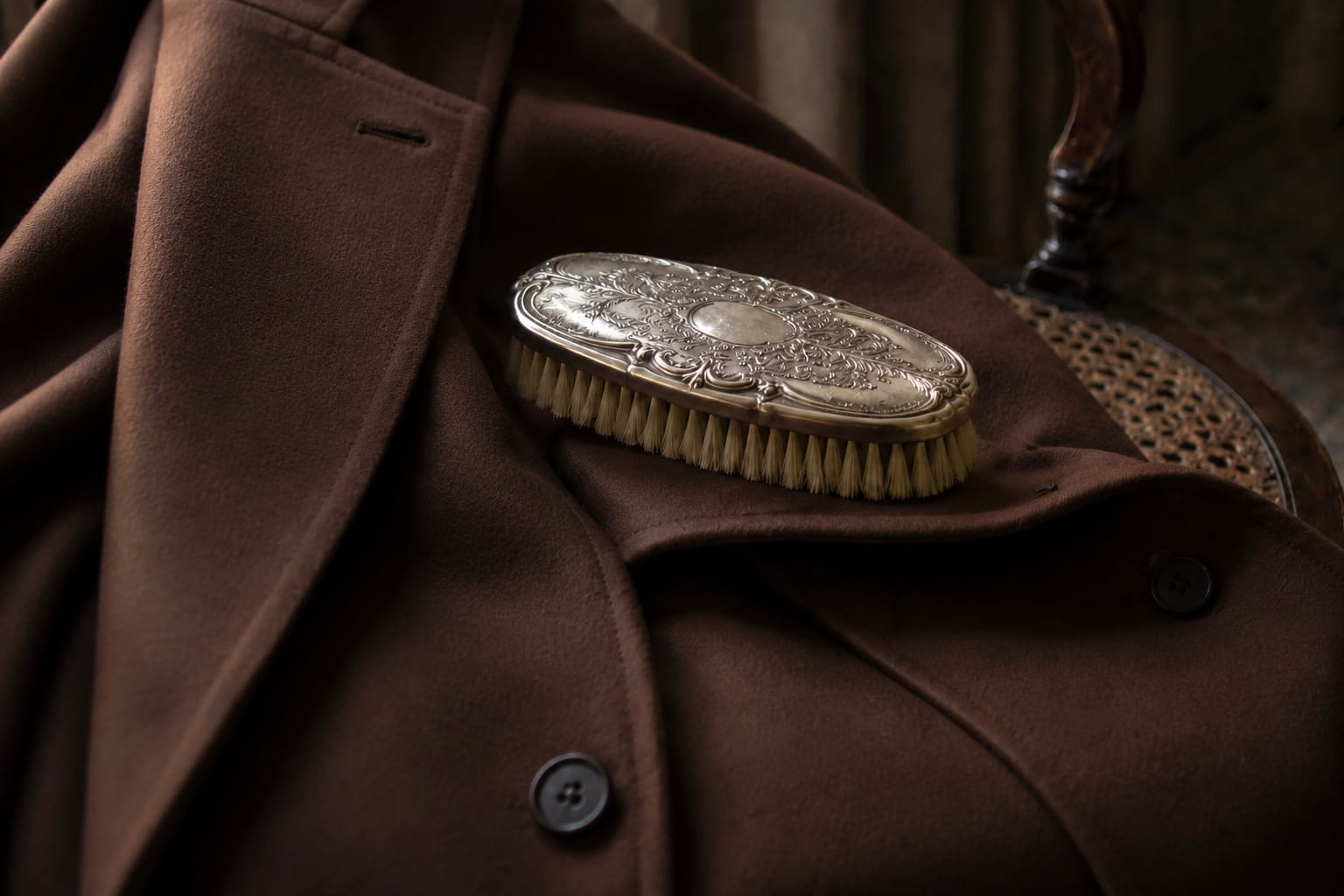
Among the simplest and most useful pieces of wardrobe equipment is a natural bristle clothes brush, although it is often overlooked. Wool and tweed collect dust, pollen and surface dirt whenever they are worn, and these particles can gradually settle into the weave and dull the colour of the fabric. Brushing removes much of this residue before it becomes ingrained, helping a coat or jacket retain the depth and character of its original cloth.
Firm boar bristles are generally suitable for robust wool and tweed, while softer horsehair is better suited to fine worsted wool and more delicate finishes. Once the garment is dry, brush it in the direction of the nap using short, light strokes rather than moving vigorously back and forth. For most coats, this means working downwards from the shoulders.
The collar, shoulders and insides of the cuffs deserve particular attention because they tend to collect the greatest amount of dust and residue. Brushing a garment after it has been worn and before returning it to the rail takes very little time, yet doing so regularly is far more effective than trying to revive the cloth once it has begun to look tired.
AI generated
The Cashmere Comb
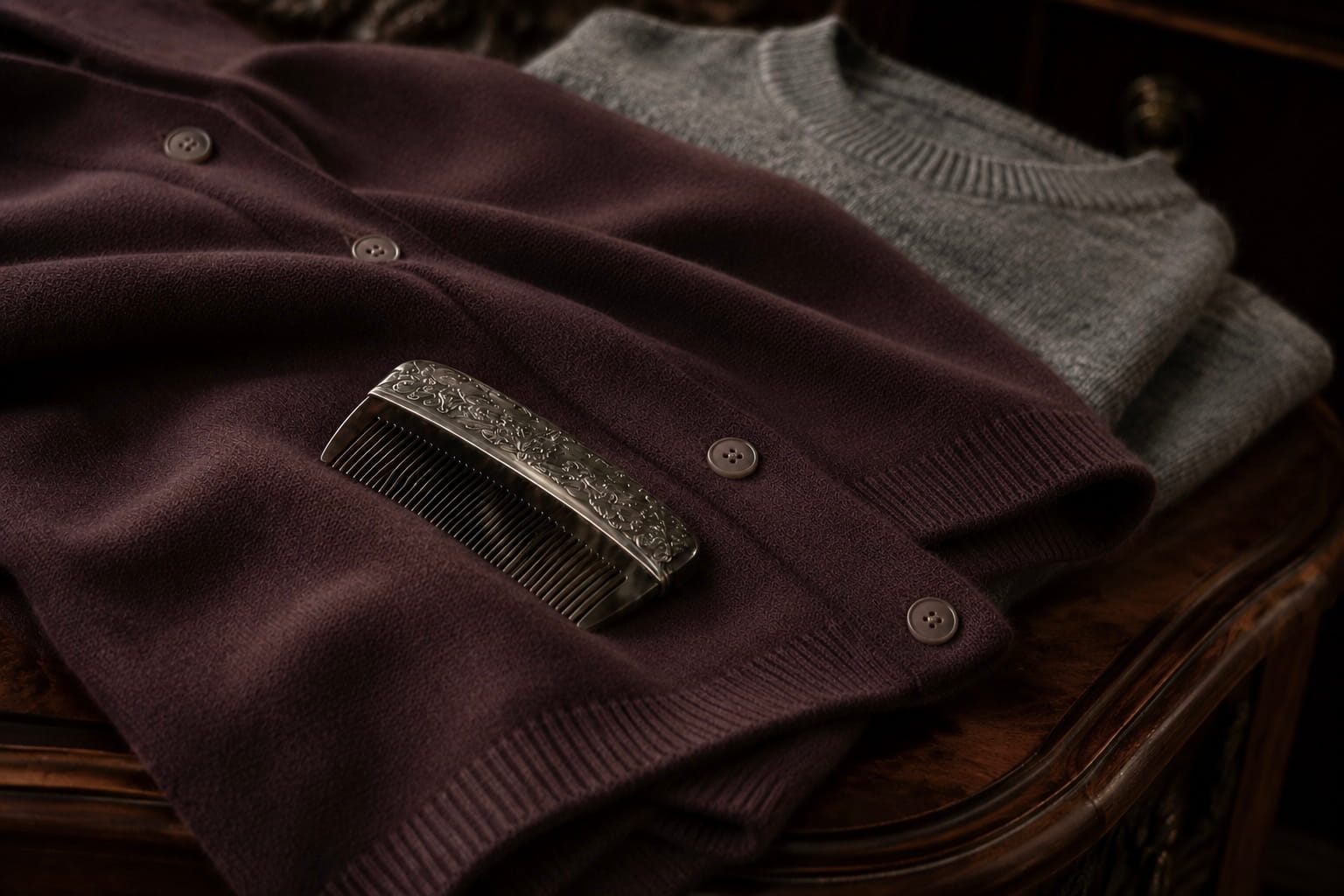
Pilling is not necessarily evidence of poor quality. Loose and shorter fibres naturally work their way to the surface through wear, which means that even very fine cashmere may pill where the fabric is exposed to regular friction.
A cashmere comb removes these surface fibres with more control than a rotating blade. Place the garment on a flat surface, hold the fabric gently taut with one hand and draw the comb across it in a single direction with the lightest possible pressure. The underarms, sides and cuffs usually require attention first because these are the areas most frequently rubbed during wear.
Once the pills have been removed, repeated combing over the same place should be avoided, as unnecessary friction may weaken the fibres. Cashmere should only be combed when it genuinely needs attention and always while it is completely dry.
The Fabric Shaver
While a comb is usually the gentler choice for cashmere and loosely knitted fabrics, a fabric shaver can be useful for sturdier knitwear. Many lambswool, merino, cotton and wool blend garments can tolerate one, provided the fabric is in good condition and the shaver is handled carefully.
A model with an adjustable guard and a generously sized shaving head offers greater control. Before treating the entire garment, test it on an inconspicuous area and then work across the fabric while it is lying flat, using light and even movements. Seams, ribbing, embroidery and loose threads should be avoided, as the blade can catch on raised or uneven areas.
The collection chamber also needs to be emptied regularly because the blade cannot work cleanly when it becomes too full. Used with patience, a fabric shaver can restore a smooth surface to robust knitwear, but too much pressure on fine cashmere may thin the fabric and eventually leave a visible patch.
AI generated
The Steamer
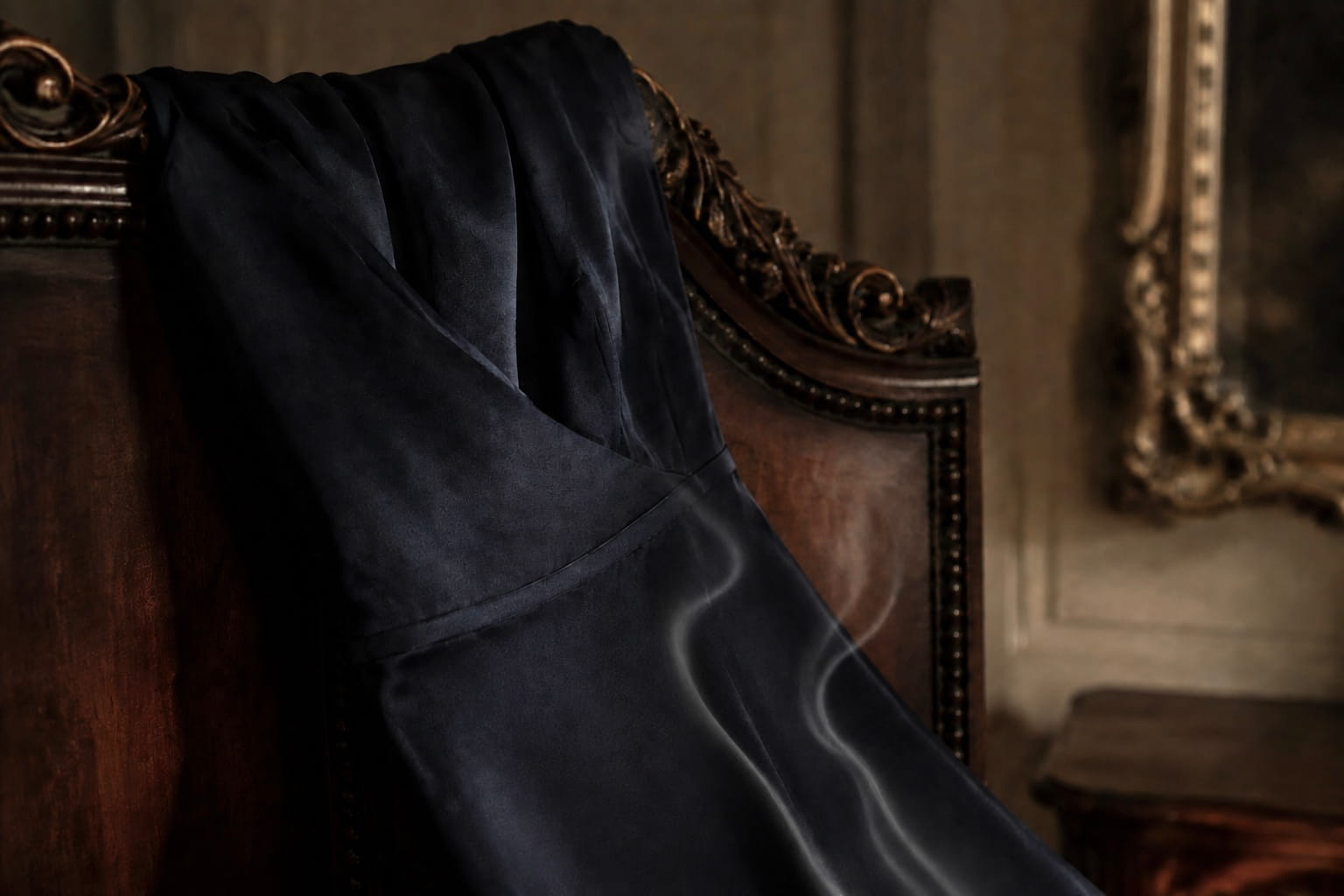
A handheld steamer is particularly useful for wool, linen and softly structured garments because steam relaxes creases without pressing the fibres flat. It can also air and lightly refresh clothes between washes, although it cannot remove dirt or stains and should never be treated as a substitute for proper cleaning when this is required.
Frequent dry cleaning can be hard on some natural fibres, so it is better reserved for garments whose care labels require professional treatment or for clothing that is genuinely soiled. Pieces that simply need to recover from a day of wear may often benefit from being aired and gently steamed instead.
Hang the garment securely and work from the top down, following the manufacturer’s instructions on whether the steamer head should touch the fabric. Silk and other particularly delicate materials require greater caution because some may develop water marks. Always consult the care label, test a concealed area first and allow the garment to dry completely before wearing it or returning it to the wardrobe.
An iron remains the better choice for cotton shirts when a crisp finish is desired. Tailoring, dresses and softly constructed garments are generally better suited to the gentler finish created by steam.
AI generated
Cedar Rings and Blocks
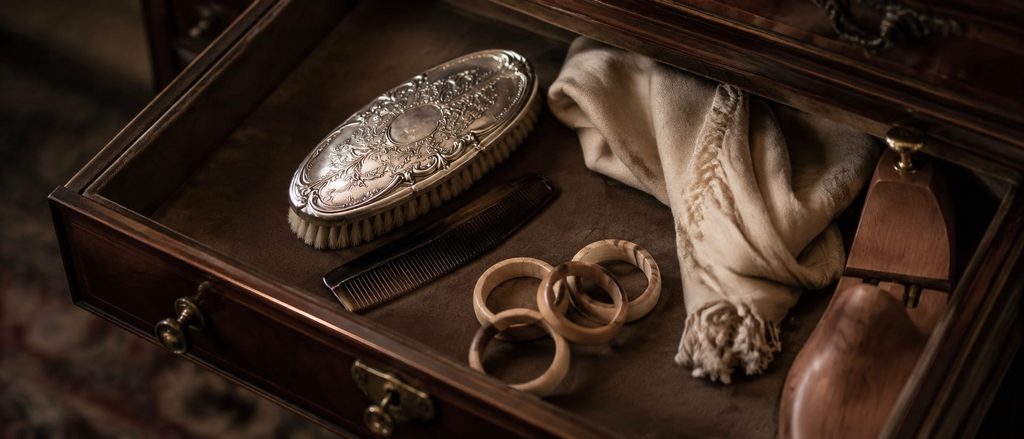
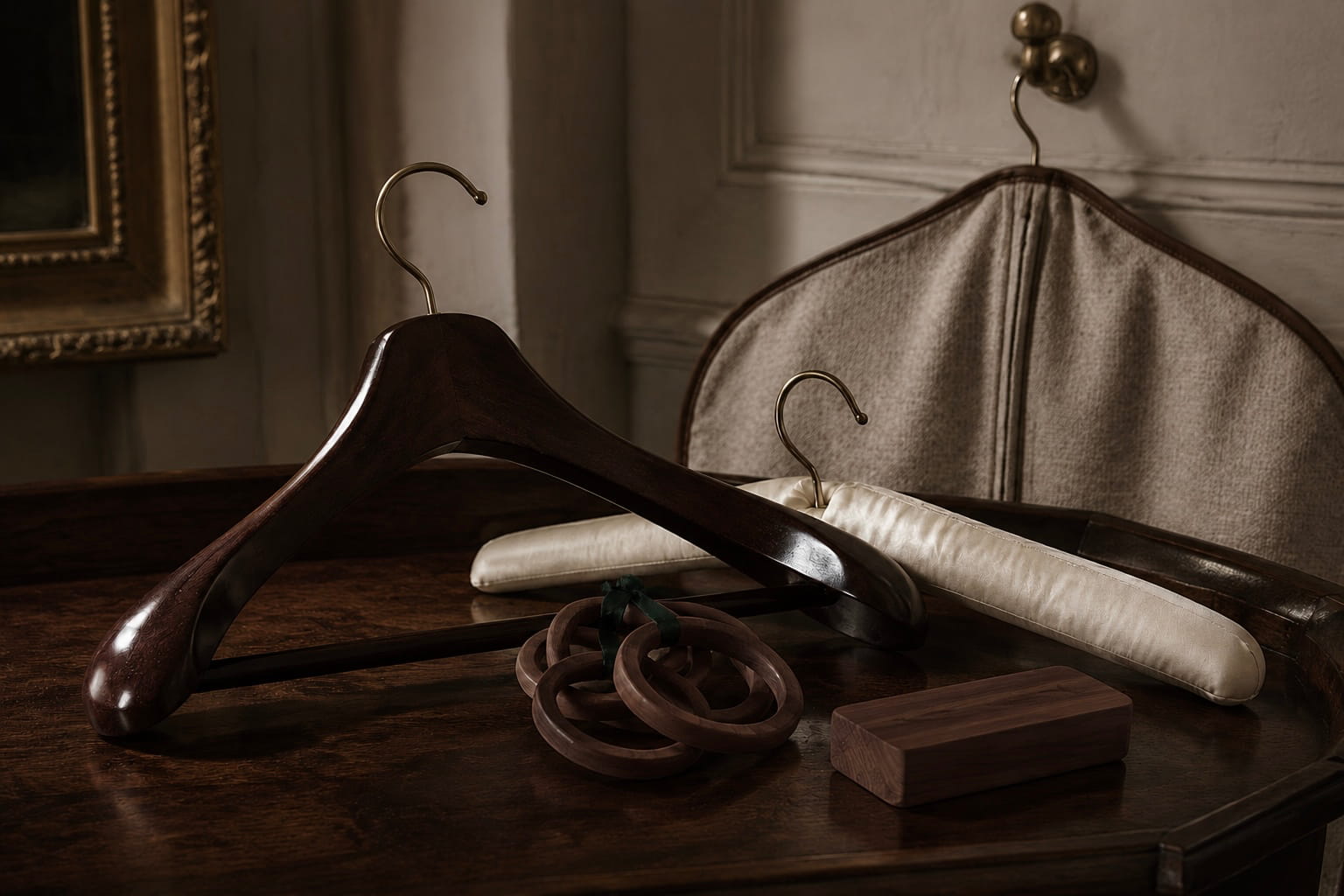
Cedar rings and blocks are commonly used in wardrobes for their natural aroma, which may help discourage clothes moths in a clean and enclosed space. The wood can absorb a small amount of moisture, although it cannot remedy a wardrobe that is persistently damp and should not be expected to do so.
As the surface oils dry, the scent gradually becomes less noticeable. Gently sanding the cedar with fine sandpaper from time to time exposes the wood again and releases more of its aroma. Any resulting dust should be brushed away before the pieces are returned to the wardrobe.
Freshly sanded cedar should not rest directly against pale or delicate fabrics because its natural oils may leave a mark. It is also important to remember that cedar cannot remove an established moth infestation. Its usefulness is limited unless clothing is stored clean and dry, the wardrobe is inspected regularly and any signs of moth activity are dealt with promptly.
Padded and Shaped Hangers
The wrong hanger can gradually alter the line of a garment. Wire hangers and very narrow plastic ones concentrate too much weight on a small part of the shoulder, often creating a pronounced bump that can be difficult to remove even with steaming.
Coats and tailored jackets need broad wooden hangers with curved shoulders that follow the natural shape of the garment. The correct width is just as important as the construction, since a hanger that extends beyond the shoulder may cause as much distortion as one that is too narrow.
Silk shirts and fine blouses are usually better kept on padded or fabric covered hangers, which help prevent slipping and reduce the likelihood of marks forming in delicate cloth. Trousers can be suspended from the hems with padded clips, allowing their own weight to preserve the line and crease, or folded carefully over a broad and rounded trouser bar.
Most knitwear is better folded because hanging can stretch the shoulders and gradually lengthen the body. Once a jumper has lost its original proportions in this way, it may never return completely to its former shape.
AI generated
Garment Bags
Breathable garment bags are especially useful for evening dresses, winter coats and occasion wear that may remain untouched for several months. Closely woven cotton or another breathable fabric protects clothing from dust without sealing it inside an airtight covering.
The thin plastic covers supplied by dry cleaners are intended to protect garments during transport and for a short time afterwards. They are not designed for seasonal storage and may trap residual moisture around the fabric when left in place for months.
Any garment being stored for a season should first be cleaned and allowed to dry fully. Traces of perspiration, body oils and food may be almost invisible, but they can attract moth larvae, while a stain that remains untreated for several months may become much harder to remove.
Laundry Bags
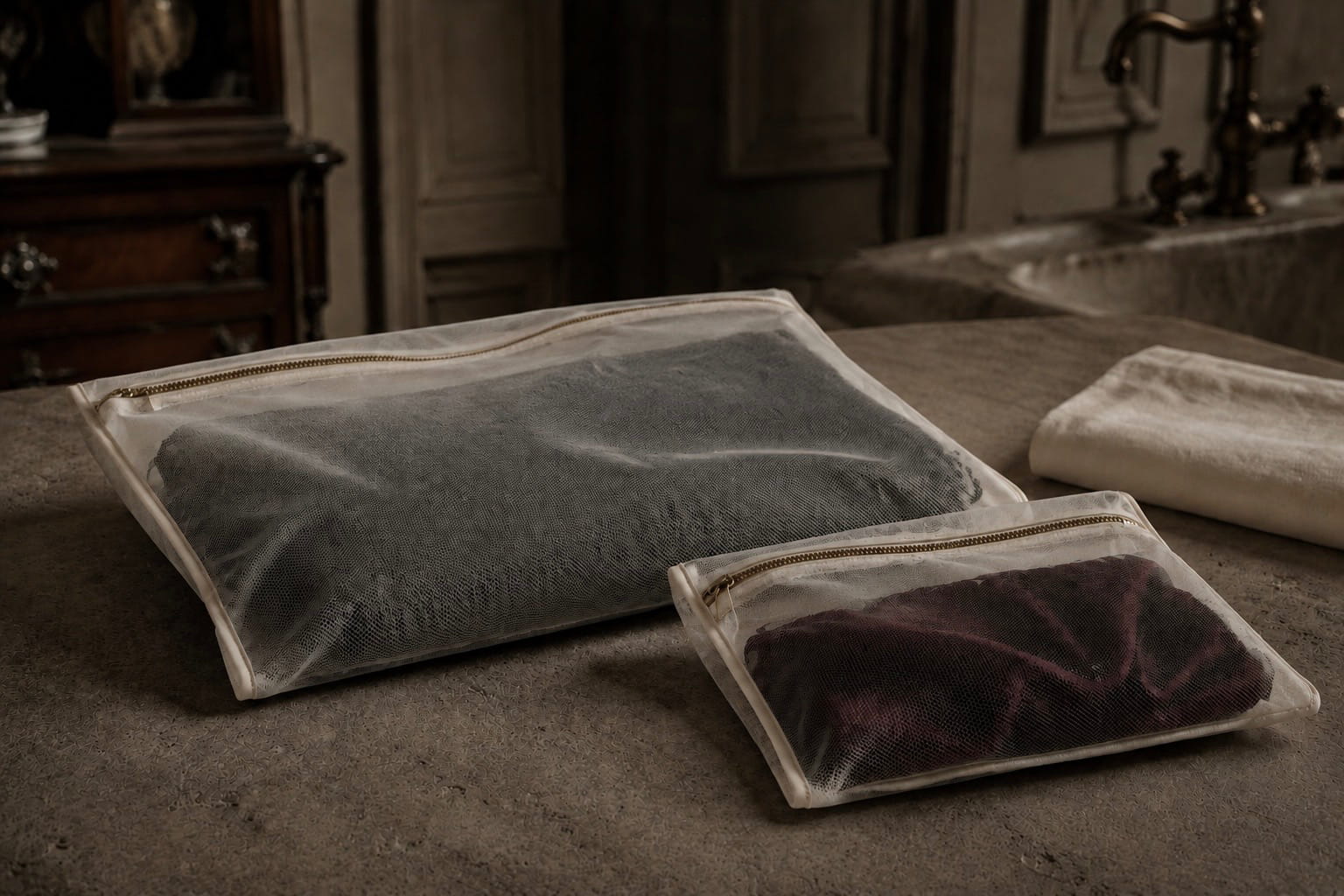
A fine mesh laundry bag offers simple protection for garments that are suitable for machine washing but vulnerable to stretching, tangling or snagging in the drum. It also prevents hooks and zips from catching on more delicate fabrics and keeps small items together throughout the wash.
Fine mesh is suitable for lingerie and hosiery, while a larger bag can accommodate machine washable knitwear without compressing it too tightly. Hooks and zips should be fastened before washing, and enough room should remain inside the bag for water and detergent to move through the fabric properly.
AI generated
A laundry bag cannot make an unsuitable garment safe for the washing machine, so the individual care label must always take precedence over general advice. Not every woollen garment can be washed on a 30°C wool cycle, as some require cold water, careful hand washing or professional cleaning. When machine washing is permitted, the appropriate cycle, temperature and detergent can make a considerable difference to the condition of the garment.
Shoe Trees
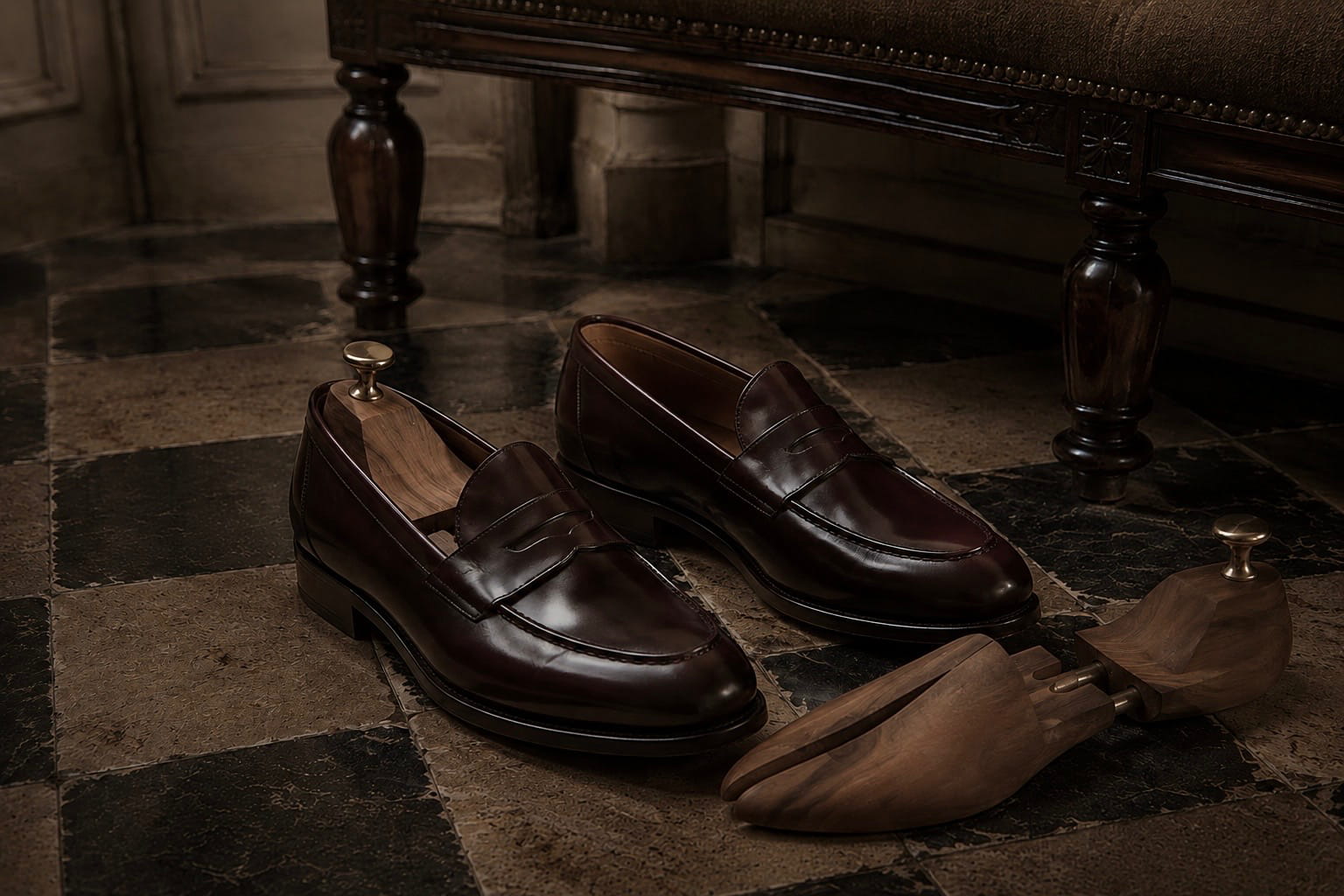
Unvarnished cedar shoe trees support the shape of leather shoes while absorbing some of the moisture left behind after wear. When inserted while the leather is still warm, they help the upper dry in its proper form and reduce the likelihood of deep creases becoming firmly set across the vamp.
The correct size is essential. A shoe tree that is too small will not provide enough support, while one that is too large may place unnecessary pressure on the leather and gradually distort the shoe. Unvarnished cedar is preferable because a lacquered surface cannot absorb moisture as effectively.
Whenever possible, leather shoes should also be given a day of rest between wearings so that they can dry thoroughly and recover their shape. Rotating between two pairs reduces the repeated strain placed on the same leather day after day.
AI generated
Where to Begin
Anyone beginning with wardrobe care can start with three practical investments: a natural bristle clothes brush, properly shaped wooden hangers and cedar shoe trees. Together, they need not cost more than a single good jumper, yet they will protect many of the pieces already hanging in the wardrobe.
Cashmere combs, garment bags and other specialist tools can then be added gradually according to the fabrics and clothing that actually require them.
Good clothes are not kept well because they are expensive. They stay looking expensive because they are kept well.